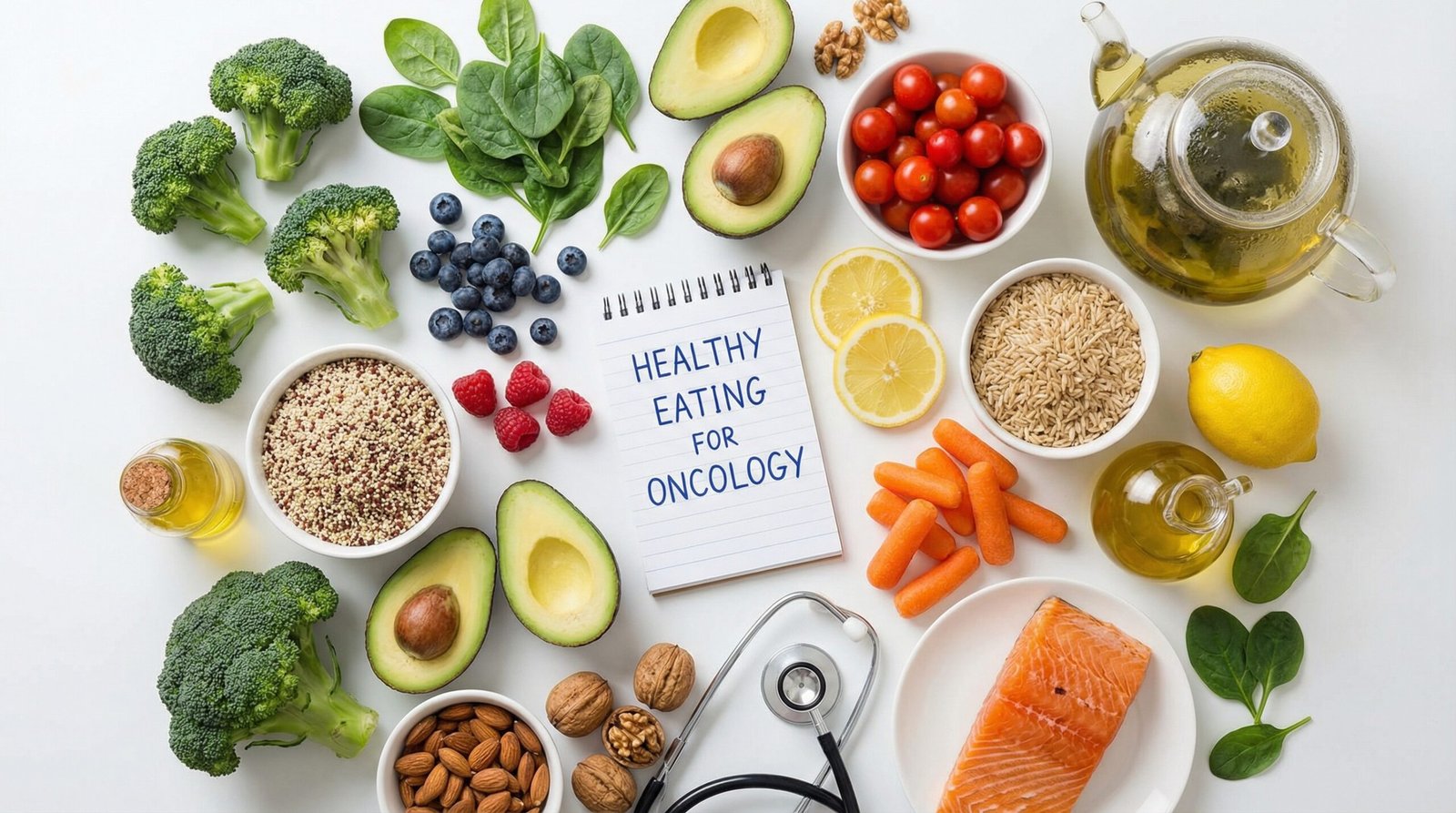
Proper nutrition plays a significant role in supporting the body during cancer treatment. While diet cannot replace medical therapy, it helps the body better tolerate treatment, supports immune function, and contributes to tissue recovery.
Key Vitamins for Patients
1. Vitamin D
Supports immune regulation and participates in control of cell growth. Studies suggest that adequate vitamin D levels may be associated with improved outcomes in some patients.
Sources: fatty fish, eggs, sunlight exposure.
2. Vitamin C
A powerful antioxidant that helps protect cells from oxidative stress and supports immune defense.
Sources: citrus fruits, bell peppers, rose hips, broccoli.
3. Vitamin A and Beta-Carotene
Help maintain healthy skin and mucous membranes, which may be affected during treatment.
Sources: carrots, pumpkin, spinach, apricots.
4. B-Group Vitamins
Essential for blood formation, nervous system function, and energy metabolism.
Sources: whole grains, liver, legumes, nuts.
Foods Commonly Recommended
🥦 Broccoli and Cruciferous Vegetables
Broccoli, cauliflower, and Brussels sprouts contain sulforaphane, a bioactive compound studied for its potential anticancer properties and ability to activate detoxification enzymes.
🍅 Tomatoes
Rich in lycopene, an antioxidant associated with reduced risk of certain cancers, especially prostate cancer.
🫐 Berries
Blueberries, raspberries, and cranberries contain polyphenols and flavonoids that help protect cells from damage.
🧄 Garlic
Contains allicin, a compound with antimicrobial, antioxidant, and potentially anticancer properties.
🐟 Fatty Fish
Salmon, mackerel, and sardines provide omega-3 fatty acids, which have anti-inflammatory effects and support cardiovascular health.
Interesting Scientific Facts
- Cancer cells often consume more glucose than normal cells due to accelerated metabolism.
- Antioxidants protect cells, but excessive supplementation without medical supervision is not recommended.
- Certain plant compounds (phytonutrients) may influence gene expression related to inflammation and cell growth.
- Diets high in fiber are associated with a lower risk of colorectal cancer.
Important Notice
Nutrition and vitamins are supportive measures and do not replace anticancer therapy. Any supplements or major dietary changes during treatment should be discussed with a healthcare professional.